Feature — 2026.07.18
A Journey Through Postwar Japanese Architecture
Postwar Japanese Architecture
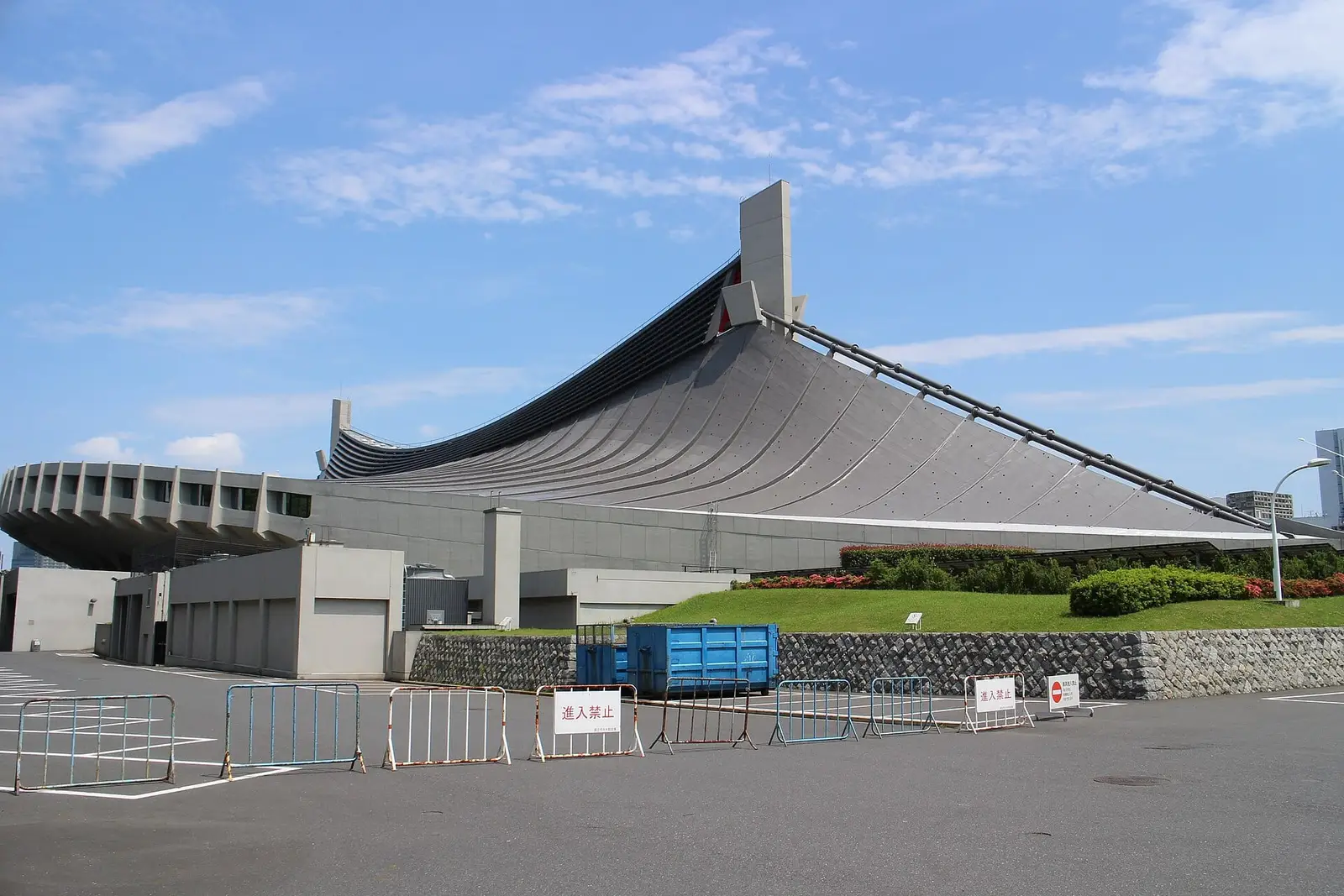
Photo: Suicasmo, CC BY-SA 4.0, via Wikimedia Commons — Yoyogi National Gymnasium
From the ruins to the forefront of world architecture. Tracing the lineage from Le Corbusier through Kunio Maekawa to Kenzo Tange, in masterpieces that still stand.
011955, Hiroshima
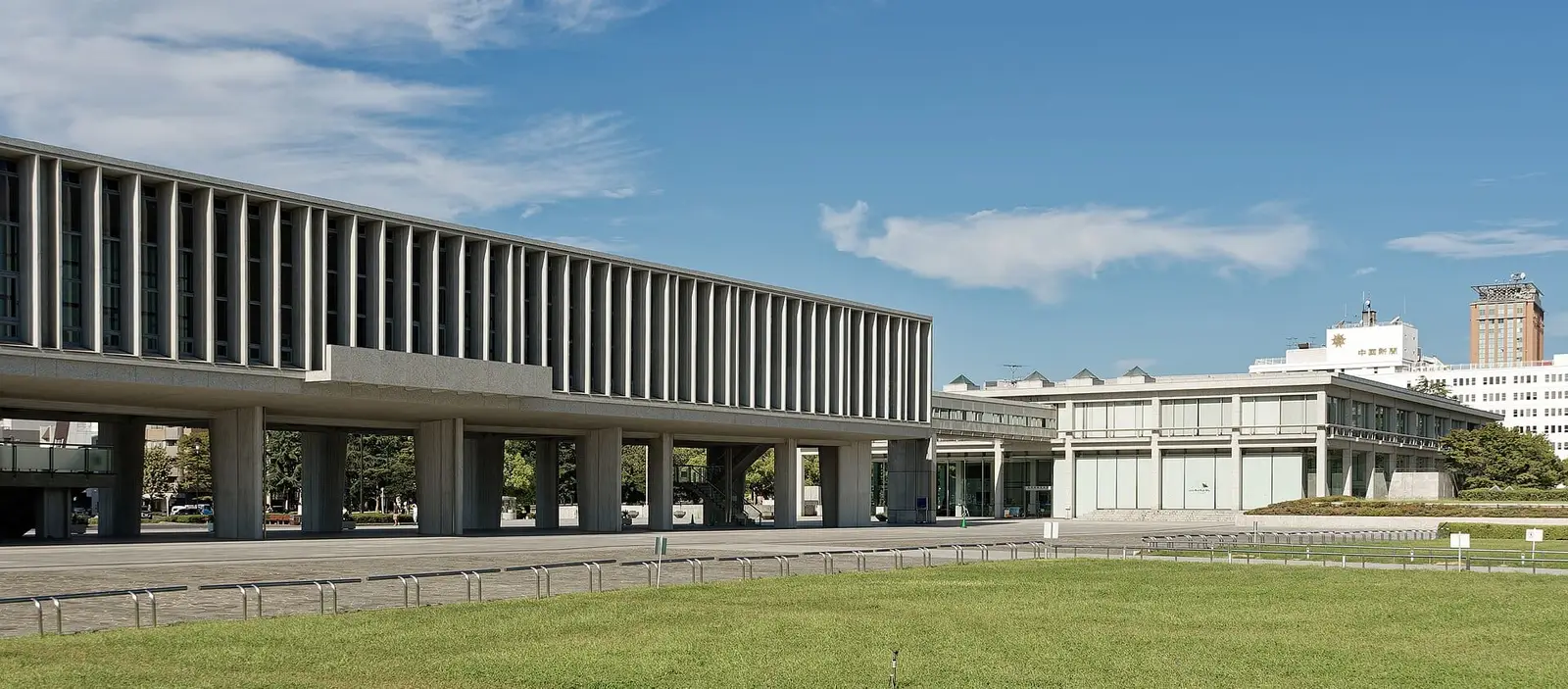
One starting point of postwar Japanese architecture is Kenzo Tange's Hiroshima Peace Memorial Museum, opened in 1955. Its main building, raised on pilotis, created an urban axis linking the Cenotaph and the Atomic Bomb Dome. In 2006 it became the first postwar building to be designated an Important Cultural Property.
02Master and disciple in the Ueno woods
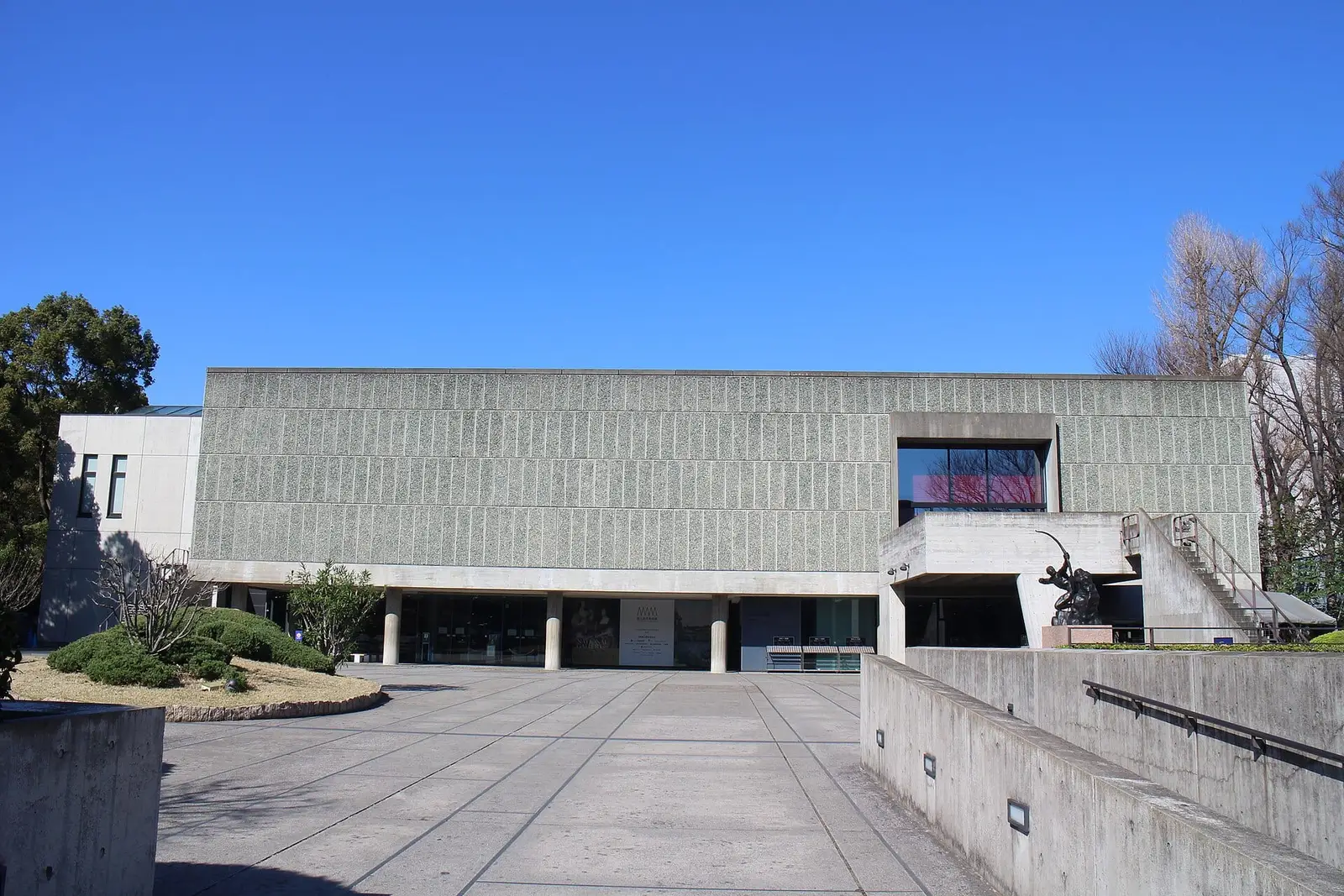
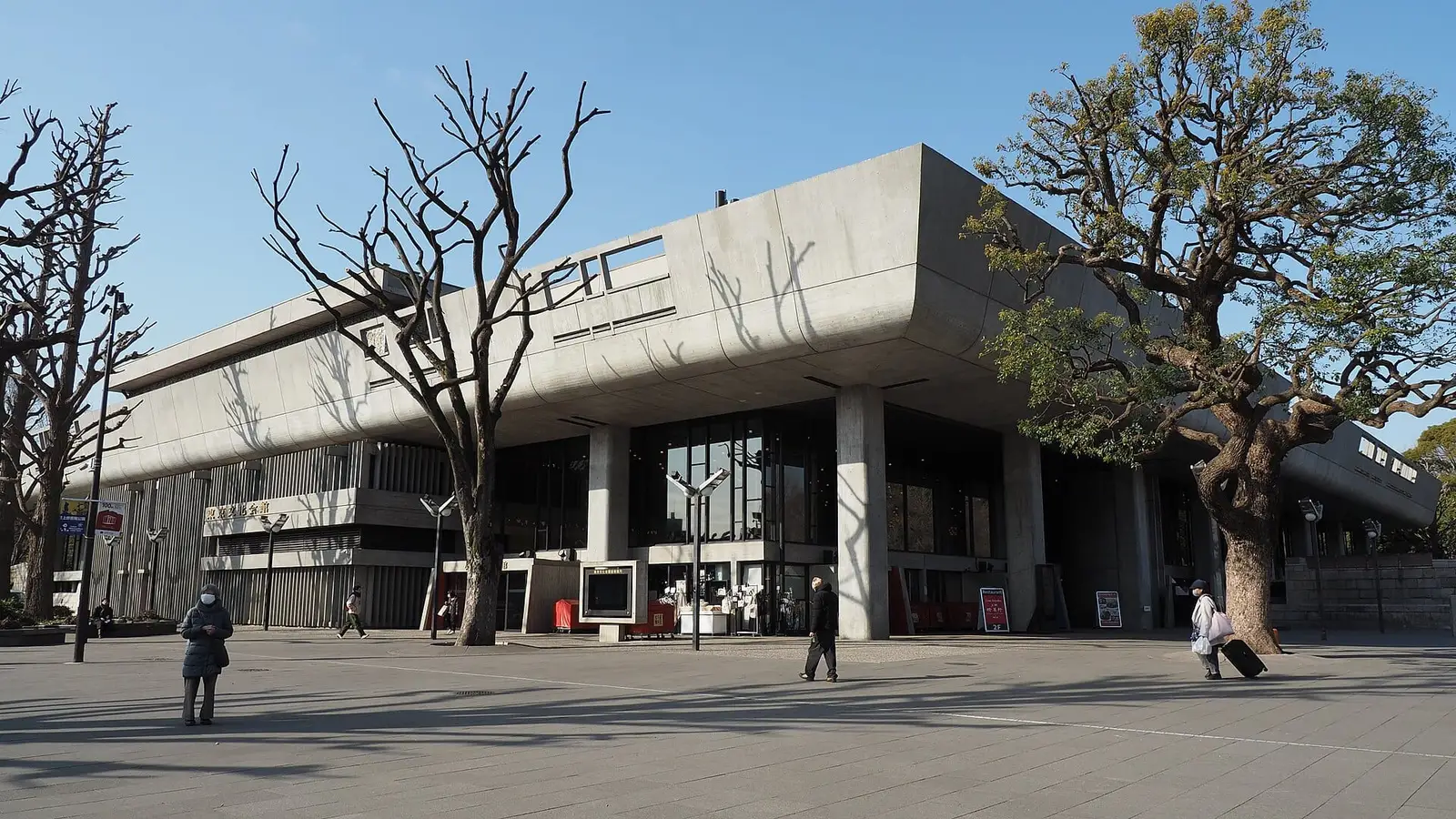
In Ueno Park, Le Corbusier's National Museum of Western Art (1959) faces Tokyo Bunka Kaikan (1961) by his disciple Kunio Maekawa. It is a rare place where one can experience, around a single plaza, how modernist thought took root in Japan.
031964, Tokyo
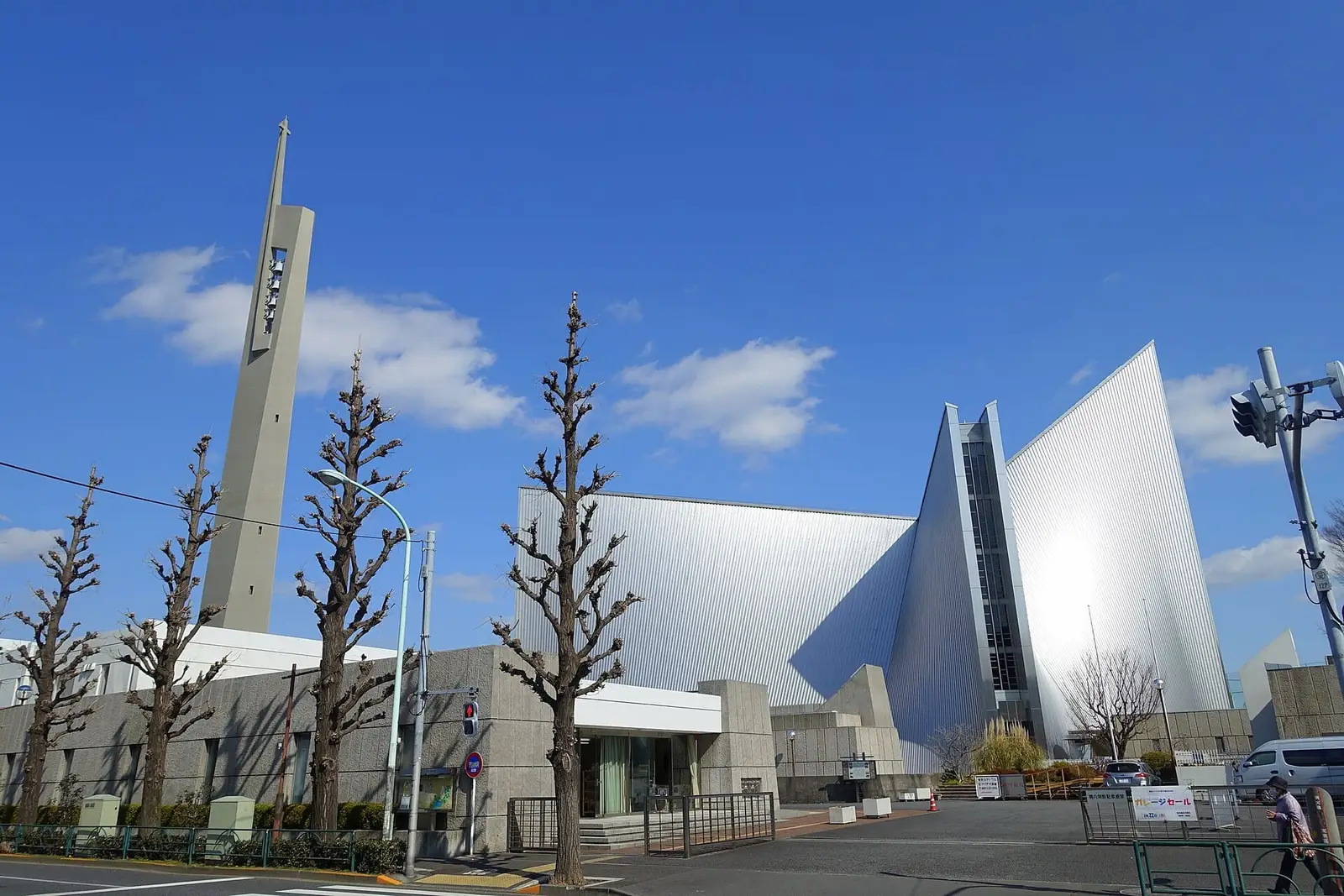
In 1964, the year of the Tokyo Olympics, Kenzo Tange completed two masterpieces: the Yoyogi National Gymnasium with its suspension structure, and St. Mary's Cathedral, Tokyo with its HP shells. Through these buildings, in which structural engineering and form became one, Japanese architecture came to command the world's attention.
Facts about the buildings mentioned in this article are based on the sources cited on each building page (Wikipedia, Wikidata, official websites, etc.).This description has been translated from the Japanese original.
In this Story
Buildings in this feature
 01MuseumsModern Architecture
Hiroshima Peace Memorial Museum
広島平和記念資料館
- Location
- Hiroshima (Naka Ward), Hiroshima Prefecture
- Opened
- 1955
- Architect
- Kenzo Tange
 02Art MuseumsModern Architecture
The National Museum of Western Art
国立西洋美術館
- Location
- Taitō City, Tokyo
- Opened
- 1959
- Architect
- Le Corbusier (detailed design: Kunio Maekawa, Junzō Sakakura, Takamasa Yoshizaka)
 03Cultural FacilitiesModern Architecture
Tokyo Bunka Kaikan
東京文化会館
- Location
- Taitō City, Tokyo
- Opened
- 1961
- Architect
- Kunio Maekawa
- 04Public BuildingsModern Architecture
Yoyogi National Gymnasium
国立代々木競技場
- Location
- Shibuya City, Tokyo
- Completed
- 1964
- Architect
- Kenzo Tange
 05Modern Architecture
St. Mary's Cathedral, Tokyo
東京カテドラル聖マリア大聖堂
- Location
- Bunkyō City, Tokyo
- Completed
- 1964
- Architect
- Kenzo Tange