Feature — 2026.09.01
Ten Defining Works of Contemporary Tokyo Architecture
Ten Contemporary Icons of Tokyo
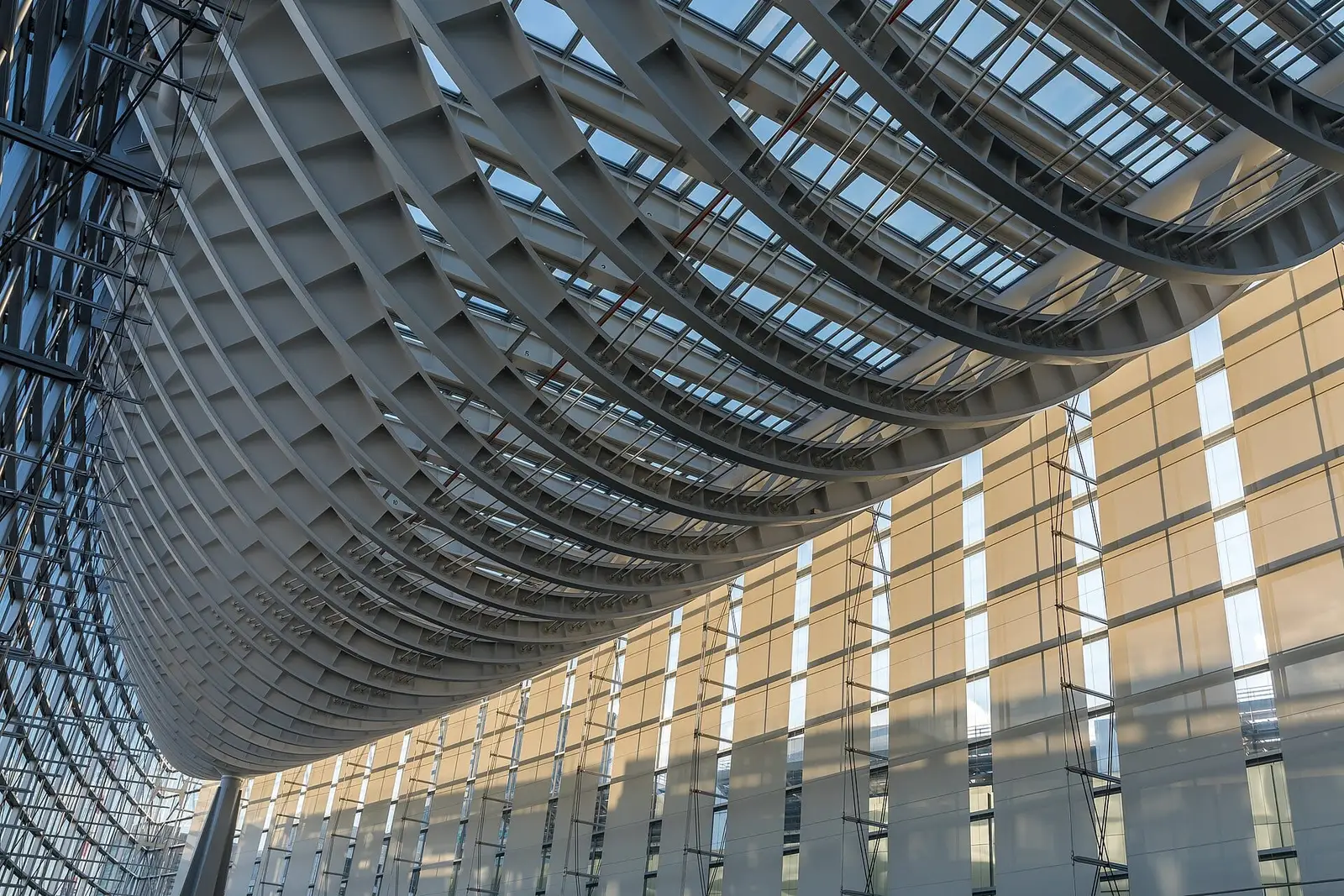
Photo: Basile Morin, CC BY-SA 4.0, via Wikimedia Commons — Tokyo International Forum
A ship of glass, an undulating wall, a tower reaching into the sky. Ten buildings that have shaped Tokyo since the 1990s, traced alongside the city's transformation.
01Beginning with great public spaces
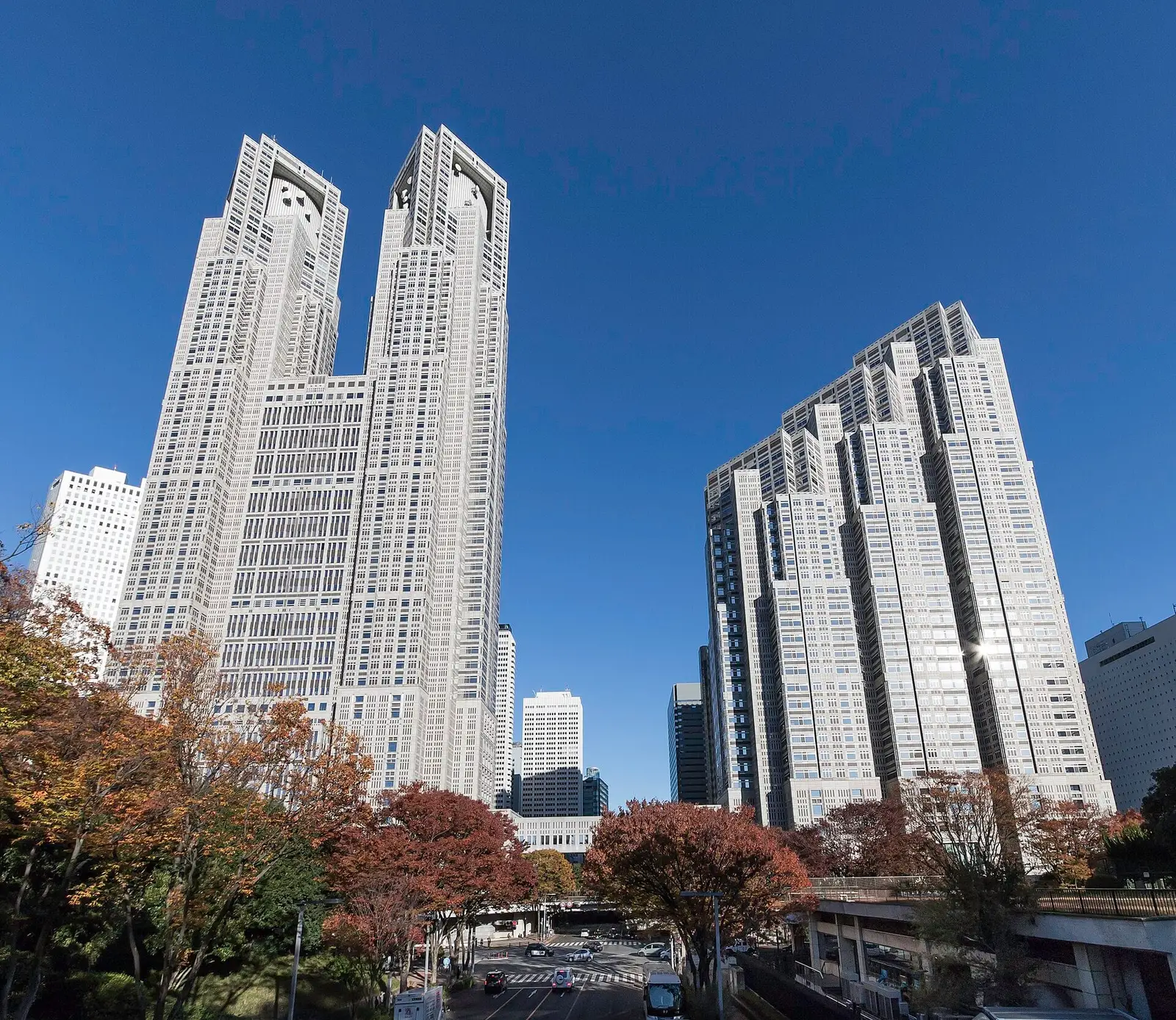
Two vast public buildings symbolise Tokyo in the 1990s: Kenzo Tange's Tokyo Metropolitan Government Building in Nishi-Shinjuku, and Rafael Viñoly's Tokyo International Forum, chosen in an international competition. The former created an emblem of government in its high-rise twin towers; the latter, a vast space of glass and steel, created an urban lobby through which anyone may pass.
02Redevelopment, and summits opened to all
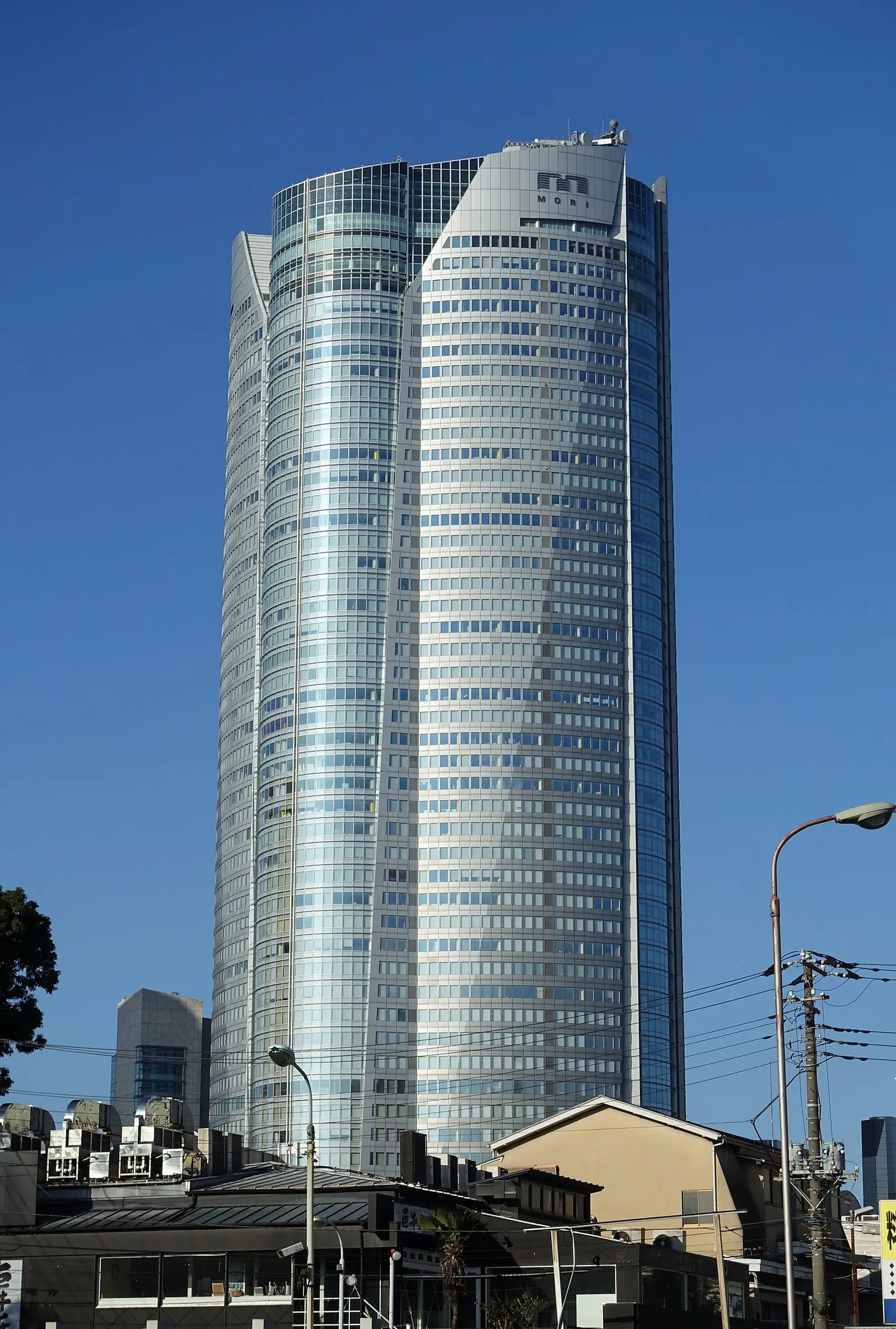
In 2003, Roppongi Hills Mori Tower placed an art museum and an observation deck on its top floors, opening the summit of a skyscraper to the public. The large-scale redevelopments that followed, from Toranomon Hills to Shibuya Scramble Square and Azabudai Hills Mori JP Tower, all incorporate plazas at their feet and viewing spaces in the sky as gifts to the city.
03When form itself becomes the message
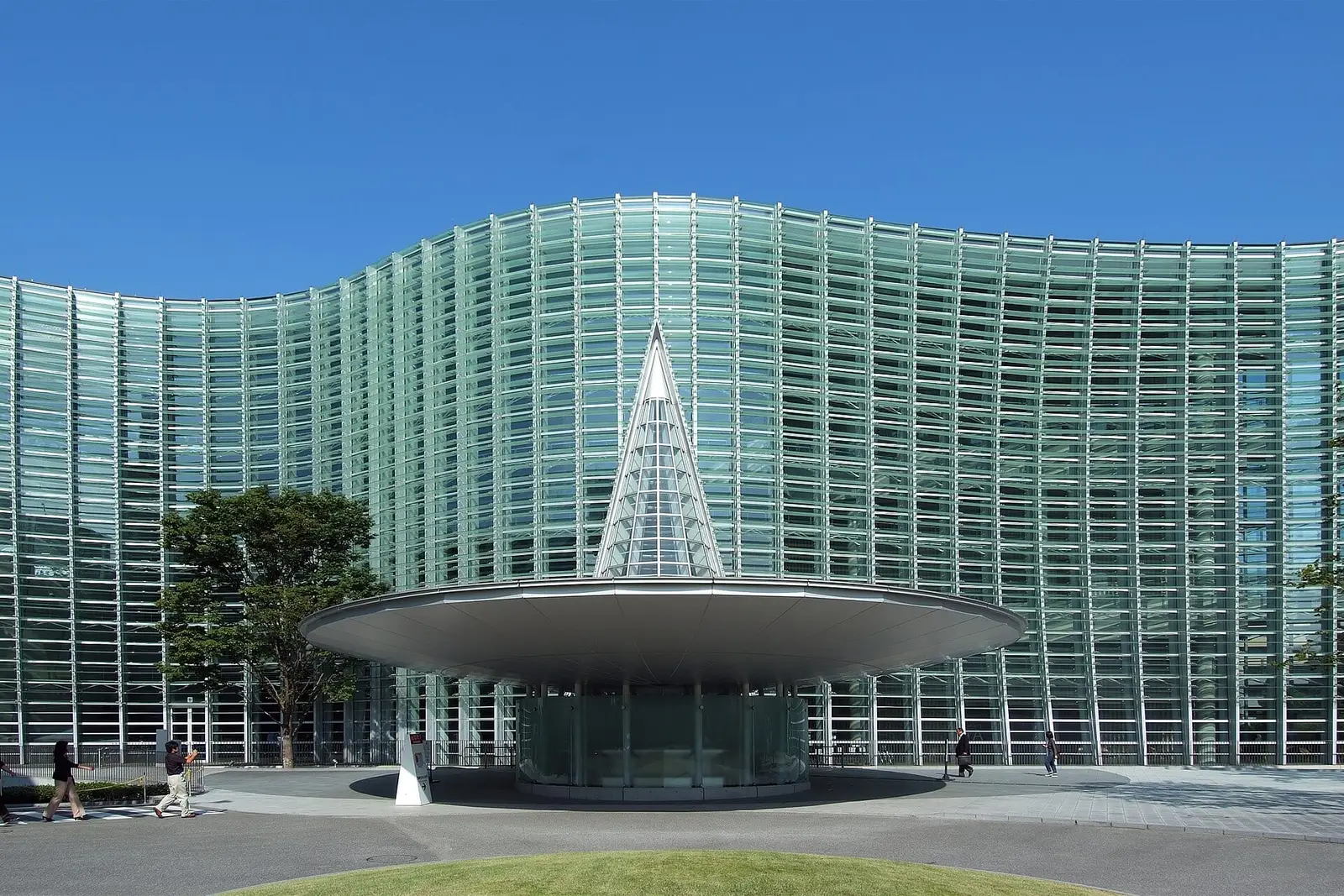
Kisho Kurokawa's National Art Center, Tokyo lent a soft expression to Roppongi with its undulating glass façade. The cocoon-like Mode Gakuen Cocoon Tower; Tokyo Skytree, whose cross-section shifts from triangle to circle. Contemporary Tokyo architecture has produced landmarks whose very forms are etched into the city's memory.
Facts about the buildings mentioned in this article are based on the sources cited on each building page (Wikipedia, Wikidata, official websites, etc.).This description has been translated from the Japanese original.
In this Story
Buildings in this feature
- 01Public BuildingsCultural Facilities
Tokyo International Forum
東京国際フォーラム
- Location
- Chiyoda City, Tokyo
- Completed
- 1996
- Architect
- Rafael Viñoly
 02Art MuseumsContemporary Architecture
The National Art Center, Tokyo
国立新美術館
- Location
- Minato City, Tokyo
- Opened
- 2007
- Architect
- Kisho Kurokawa and Nihon Sekkei joint venture
 03Public BuildingsSkyscrapers
Tokyo Metropolitan Government Building
東京都庁舎
- Location
- Shinjuku City, Tokyo
- Completed
- 1990
- Architect
- Kenzo Tange
 04SkyscrapersOffices
Roppongi Hills Mori Tower
六本木ヒルズ森タワー
- Location
- Minato City, Tokyo
- Completed
- 2003
- Architect
- Kohn Pedersen Fox
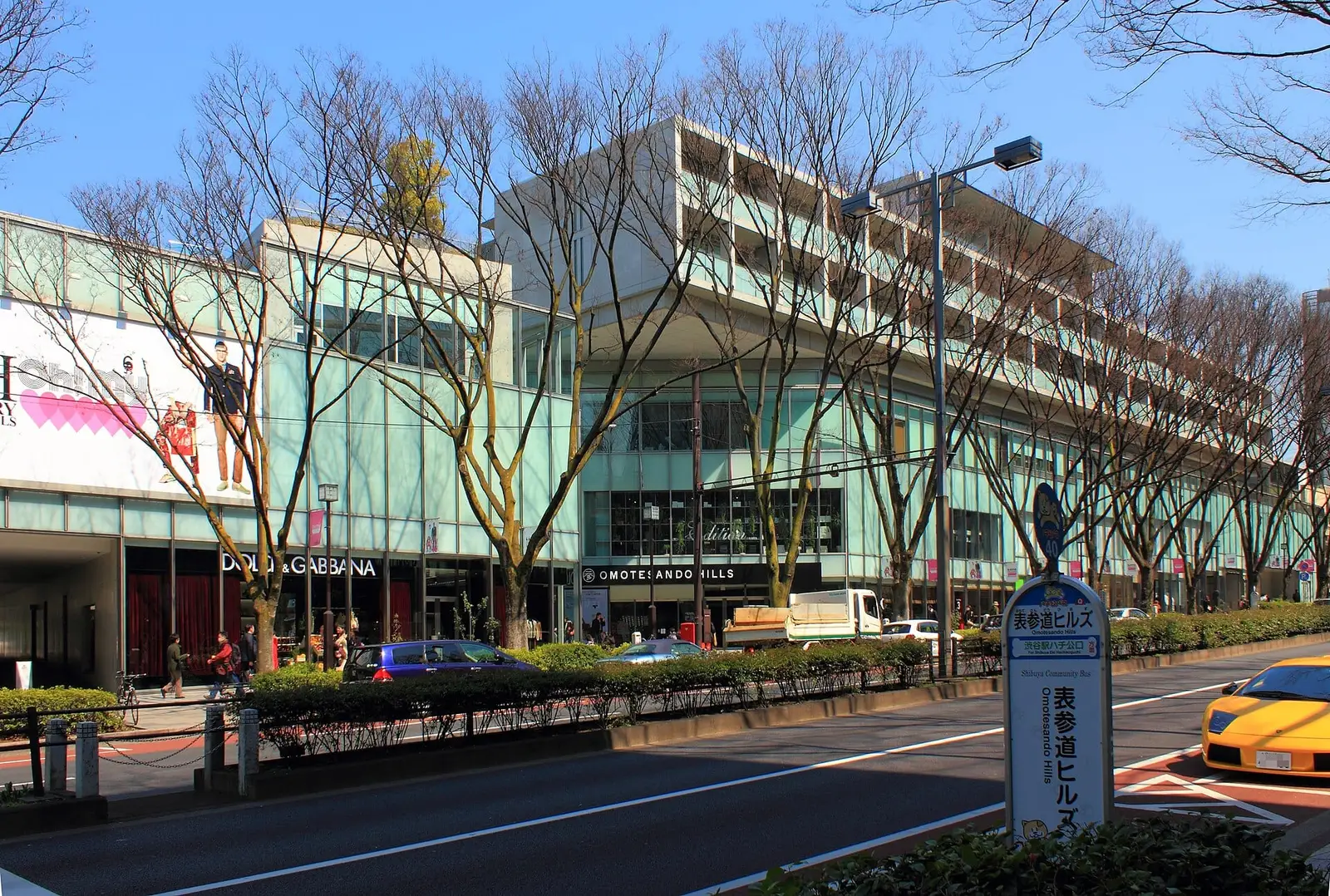 05CommercialResidences
Omotesando Hills
表参道ヒルズ
- Location
- Shibuya City, Tokyo
- Opened
- 2006
- Architect
- Tadao Ando
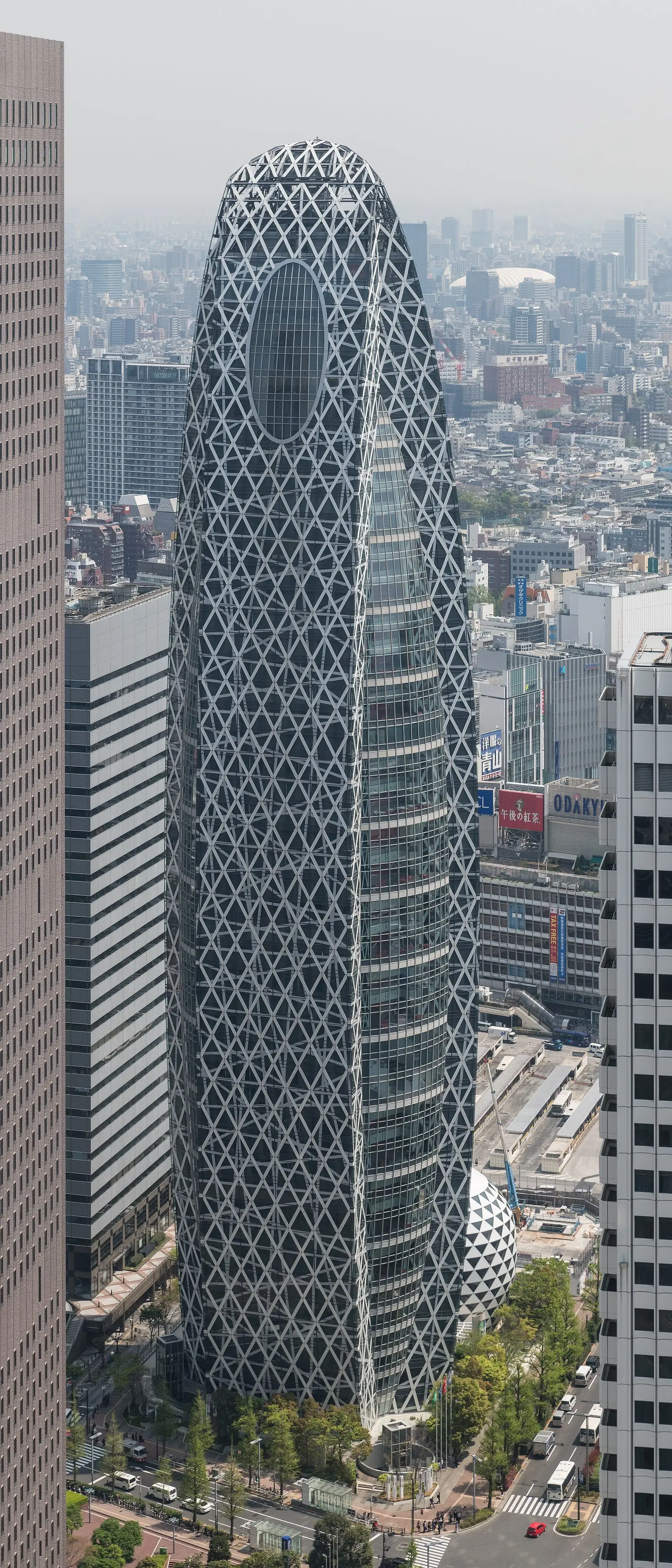 06SkyscrapersContemporary Architecture
Mode Gakuen Cocoon Tower
モード学園コクーンタワー
- Location
- Shinjuku City, Tokyo
- Completed
- 2008
- Architect
- Tange Associates
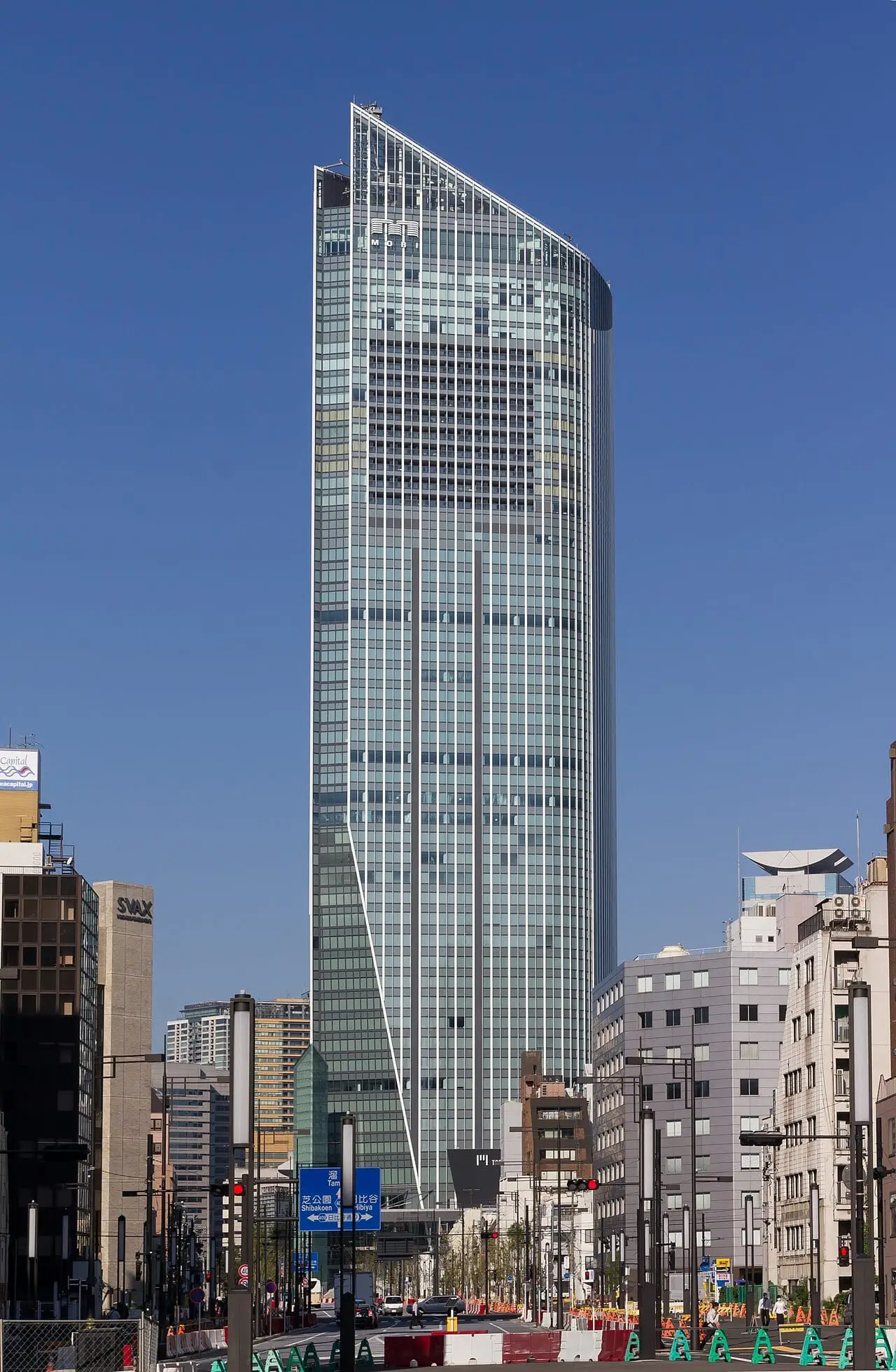 07SkyscrapersOffices
Toranomon Hills Mori Tower
虎ノ門ヒルズ森タワー
- Location
- Minato City, Tokyo
- Completed
- 2014
- Architect
- Nihon Sekkei
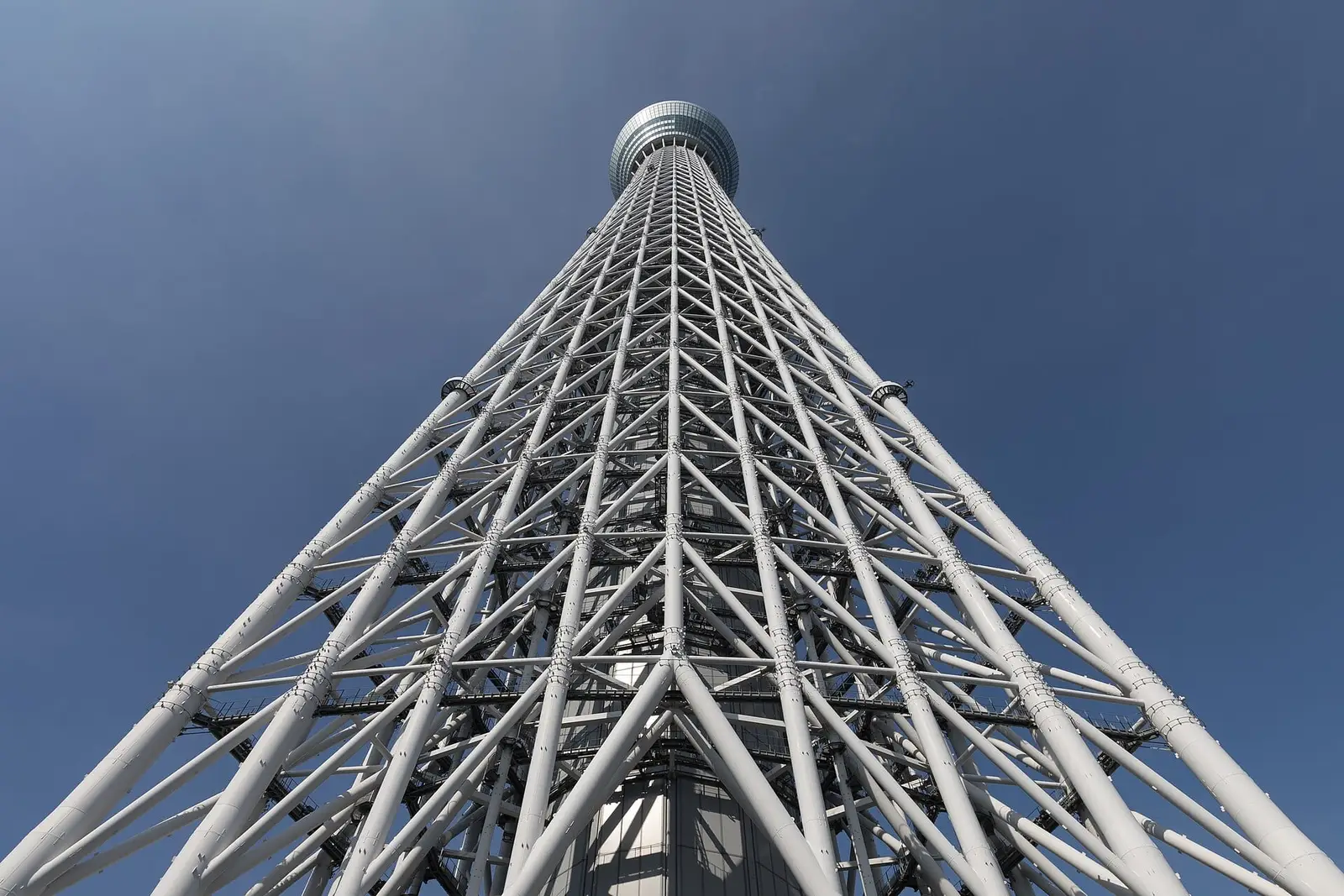 08SkyscrapersContemporary Architecture
Tokyo Skytree
東京スカイツリー
- Location
- Sumida City, Tokyo
- Opened
- 2012
- Architect
- Nikken Sekkei
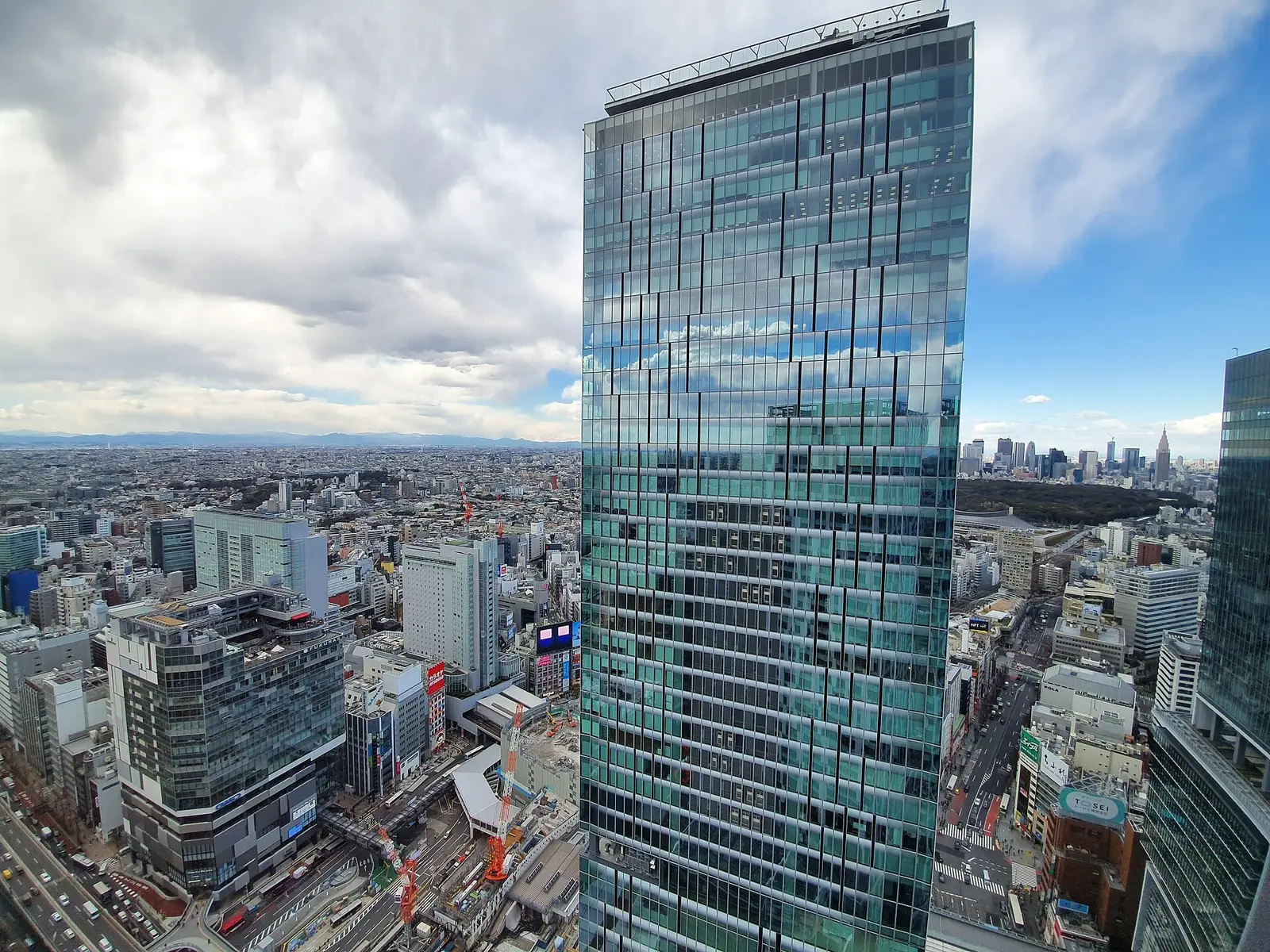 09SkyscrapersCommercial
Shibuya Scramble Square
渋谷スクランブルスクエア
- Location
- Shibuya City, Tokyo
- Opened
- 2019
- Architect
- Nikken Sekkei and others (design joint venture)
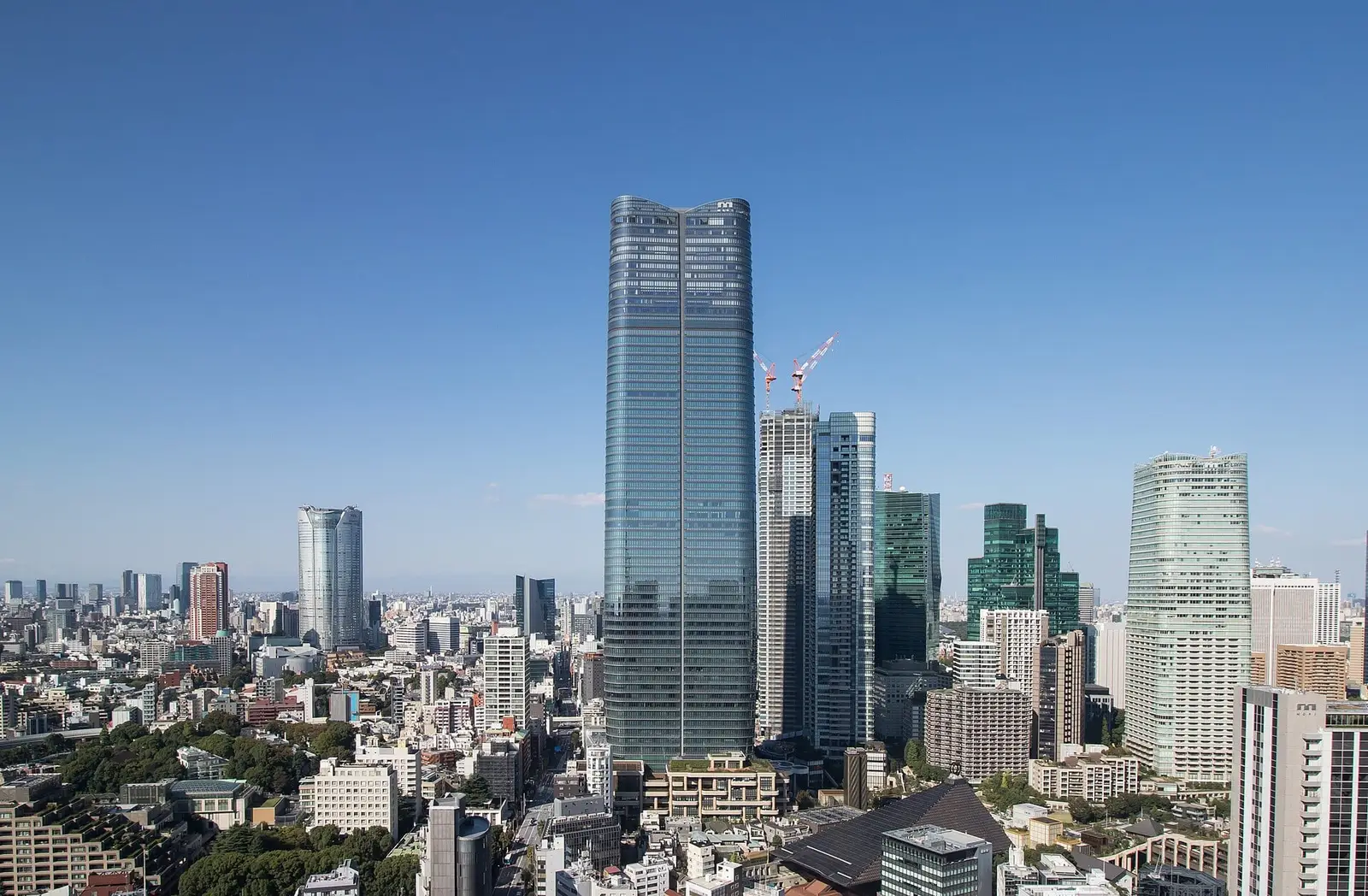 10SkyscrapersOffices
Azabudai Hills Mori JP Tower
麻布台ヒルズ森JPタワー
- Location
- Minato City, Tokyo
- Completed
- 2023
- Architect
- Mori Building; Pelli Clarke Pelli Architects Japan (exterior design supervision)